Whole-Villa Booking Checklist: 10 Questions to Confirm Before You Pay
Bed configuration, extra beds, events permission, quiet hours, dining, parking, invoices, deposits, cleaning fees and cancellation terms — ten things to confirm before you pay for a whole villa.
Why booking a whole villa is easier to get wrong than booking a hotel room
Booking a standard hotel room is predictable: one room, two beds, check out by noon — the same everywhere. A whole villa is a different proposition. Layout, policies, facilities and landlord habits all vary from property to property.
That means more decision risk — but also more reward for asking the right questions. These ten are worth confirming one by one before you pay.
The four accommodation questions
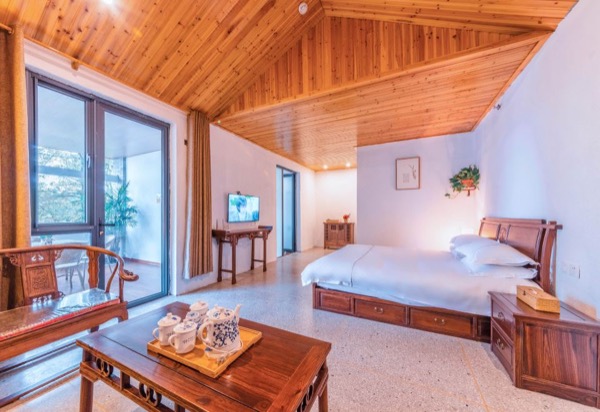
What is the bed configuration? Not "how many rooms" but how many beds of which type in each room. Families with children paired with an all-king property is the most common mismatch.
How many bathrooms are there? Twenty people sharing two bathrooms means a morning queue. This field is often missing on booking platforms, so ask.
- What is the bed configuration in each room?
- Can we add extra beds, and at what cost?
- How many bathrooms are there?
- Are there any ground-floor bedrooms? (The answer matters if older relatives or toddlers are coming — many mountain properties are duplexes.)
The three activity questions
Is hosting events or parties allowed? Check the original policy, not a verbal assurance.
When do quiet hours start? This decides how long your evening actually runs.
How large is the indoor common space? Mountain weather is changeable; without indoor space, rain sends everyone back to their rooms.
The three money questions
Can you issue an invoice? Companies need one, and individually run villas sometimes cannot.
How much is the deposit, and when is it withheld? Agree the cleaning standard and damage terms in advance.
What are the rescheduling and cancellation terms? Trip dates move more often than people expect. The terms are your only protection.
A practical tip: send the list instead of asking one by one
Calling through ten questions one at a time is easy to get wrong. A more efficient approach is to send the whole list to the host in a single message and ask for a point-by-point reply.
This also filters out hosts who communicate poorly — if they cannot explain their rates and policies clearly, the communication on arrival will not be any better.